Long-Handled Exfoliating Bath Brush: Easy Back Reach
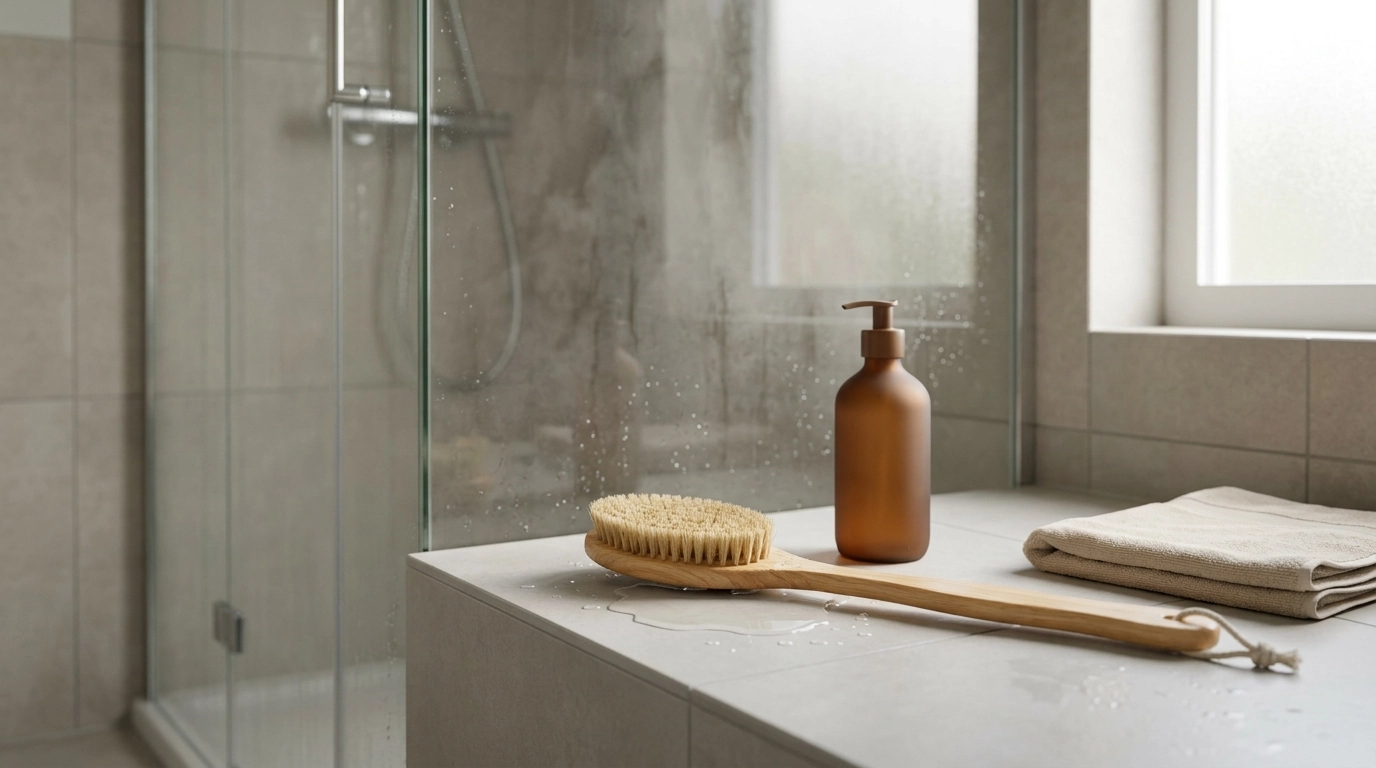
Long-Handled Exfoliating Bath Brush for Body Cleansing: Smoother Skin and Easier Reach
A long-handled exfoliating bath brush helps cleanse and buff away dull buildup while making it easier to reach the back, shoulders, and lower legs. Used with a gentle wash and the right pressure, it can support softer-feeling skin and a more thorough shower routine—especially for anyone who struggles to comfortably reach the mid-back or behind the shoulders.
What a long-handled bath brush is designed to do
Long-handled brushes combine cleansing reach with light exfoliation, making them a practical upgrade from hands alone. They’re built to make routine body washing easier and more consistent, while helping lift the day’s sweat, sunscreen, and surface debris that can cling to skin.
- Helps cleanse hard-to-reach areas like the mid-back and between the shoulder blades
- Provides light exfoliation to lift surface debris and improve the feel of rough patches
- Supports a more comfortable routine for people with limited shoulder mobility or stiffness
- Encourages consistent coverage so soap or body wash is distributed evenly
Exfoliation should feel like gentle polishing—never like scraping. If you’re unsure how much pressure is “right,” start lighter than you think and build slowly over a few showers.
Where it fits best in a shower routine
A bath brush works best when skin is fully wet and the bristles can glide. Pair it with a mild cleanser to keep daily use comfortable, and consider reserving stronger exfoliating cleansers (like gritty scrubs or high-acid formulas) for occasional use if your skin tolerates them.
- Use after wetting skin thoroughly so bristles glide rather than scratch
- Pair with a mild body wash for daily cleansing; reserve stronger exfoliating cleansers for occasional use if tolerated
- Focus on areas that commonly feel rough: upper arms, thighs, heels (avoid broken or irritated skin)
- Finish by rinsing well and applying moisturizer to help reduce post-exfoliation dryness
Simple routine options
| Routine | How often | Best for |
|---|---|---|
| Gentle cleanse + light brushing | Daily or as tolerated | Normal skin, general cleanliness |
| Brush focus on rough areas only | 2–4x per week | Bumpy or textured patches |
| Exfoliation + moisturize right after | 1–3x per week | Dry-feeling skin that needs extra softness |
How to use a long-handled exfoliating bath brush comfortably
Comfortable technique matters more than “scrubbing power.” The goal is improved cleansing and a smoother feel, not redness or sting.
- Start with light pressure and short strokes; increase only if skin stays comfortable
- Use circular or upward strokes on limbs; for the back, use slow passes without pressing into the spine
- Keep sessions brief (about 30–60 seconds per area) to avoid over-exfoliating
- Avoid sensitive zones and do not use on sunburn, open cuts, active rashes, or inflamed acne on the body
- If redness, stinging, or increased dryness develops, reduce frequency or switch to gentler cleansing
For skin-safety basics, the American Academy of Dermatology Association’s guidance on how to exfoliate safely is a helpful reference, especially if you’re prone to irritation.
Bath brush vs. other exfoliation tools
Different tools create different sensations, and the “best” option often comes down to reach, control, and how easily the tool dries between uses. A long handle is the main advantage if the back is your priority area.
- A long handle improves reach compared with washcloths or gloves
- Bristle firmness varies; softer bristles tend to be more comfortable for frequent use
- Loofahs can feel gentle but may be harder to keep fresh if not dried thoroughly
- Exfoliating gloves offer control and pressure feedback but may not help with back reach
Quick comparison of common options
| Tool | Reach | Exfoliation feel | Care needs |
|---|---|---|---|
| Long-handled bath brush | Excellent | Light to medium (depends on bristles) | Rinse well, dry fully |
| Washcloth | Fair | Very light | Machine-washable |
| Exfoliating gloves | Good (limited for mid-back) | Medium | Rinse/dry; replace when worn |
| Loofah/sponge | Fair | Light | Needs thorough drying; replace regularly |
Cleaning, drying, and replacement tips
Keeping a bath brush fresh is mostly about drying. A damp brush left in a closed shower can develop odor faster than one that dries quickly in open air.
If dryness is a frequent issue, Mayo Clinic’s overview of dry skin self-care and prevention basics is a solid guide for adjusting water temperature, cleanser choice, and moisturizing timing.
When to be cautious or check with a clinician
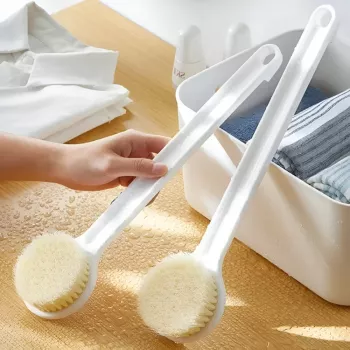
Product spotlight: Long-Handled Exfoliating Bath Brush for Body Cleansing
At-a-glance details
| Item | Details |
|---|---|
| Name | Long-Handled Exfoliating Bath Brush for Body Cleansing |
| Price | $2.51 USD |
| Availability | In stock |
More in-stock picks to round out your routine
- Long-Handled Exfoliating Bath Brush for Body Cleansing for better reach and light exfoliation during showers.
- Wireless Bluetooth Headband with HD Stereo Speakers for a comfortable wind-down after bathing (great for white noise, audiobooks, or relaxing playlists).
FAQ
How often should an exfoliating bath brush be used?
For many people, gentle brushing can work daily if the bristles are soft and pressure stays light. If your skin is dry or sensitive, start with 1–3 times per week and adjust based on comfort—reduce frequency if you notice redness, stinging, or extra dryness.
Can a long-handled bath brush help with back acne?
It can help you cleanse the back more thoroughly by improving reach, which may reduce leftover sweat and product buildup. Avoid over-scrubbing since irritation can worsen breakouts; use light pressure and a gentle, non-comedogenic cleanser, and check with a clinician if acne is persistent or inflamed.
How should a bath brush be cleaned to keep it fresh?
Rinse it well after each use, shake off water, and let it dry fully in a ventilated spot. Wash it periodically with warm soapy water (and an occasional diluted disinfecting soak if the material allows), and replace it if odor, mildew, or frayed bristles develop.








Leave a comment