Eco-Friendly Dish Brush With Built-In Soap Dispenser
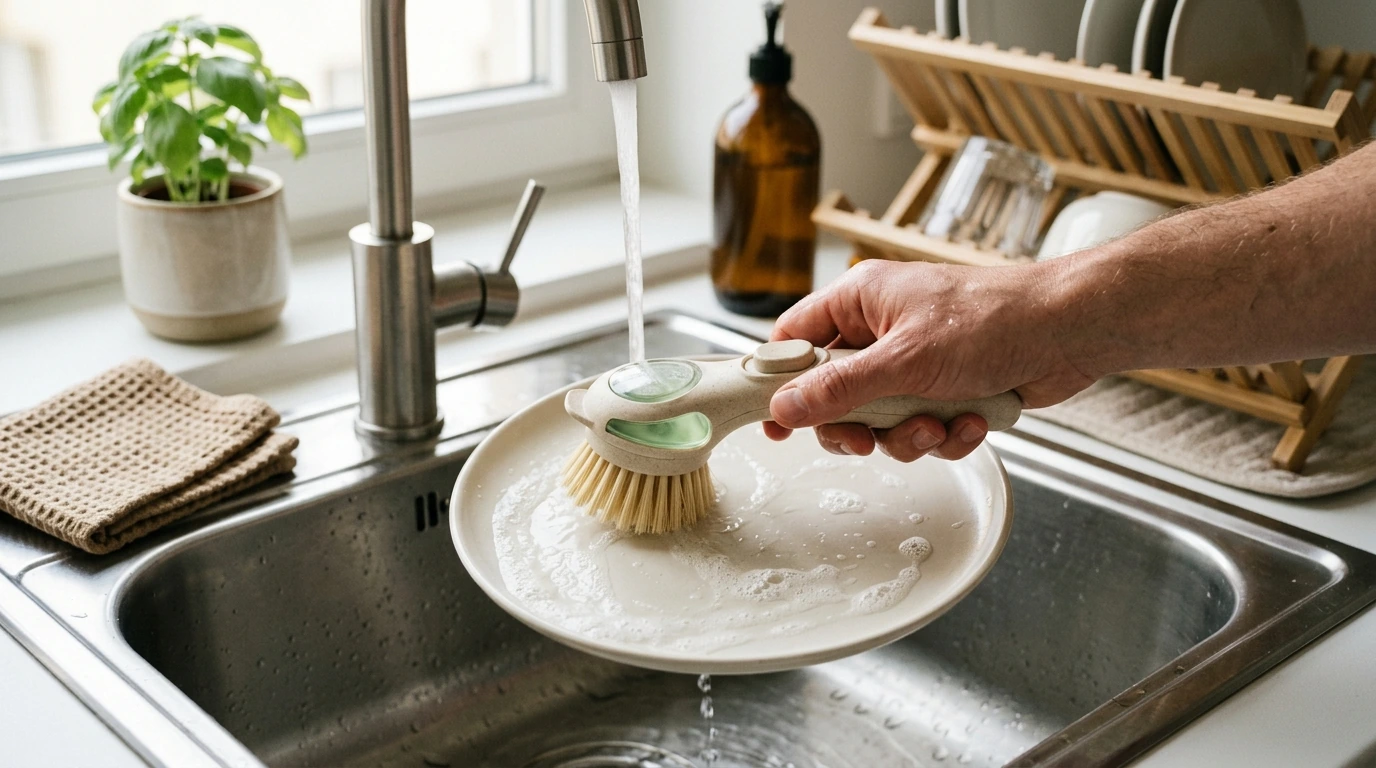
3-in-1 Eco-Friendly Portable Cleaning Brush with Liquid Dispenser
A compact scrubber that stores soap inside the handle can make everyday cleanups faster and less messy. Instead of reaching for a separate bottle, squeezing too much detergent, and leaving drips on the counter, a 3-in-1 portable brush keeps your cleaning solution and bristles in one place. The result is quick, controlled scrubbing for sinks, countertops, dishes, bathroom surfaces, and even travel tasks—especially handy in small spaces where every item needs to earn its spot. For more guidance, see Bamboo Dish Brush With Handle & 4 Replacement Heads.
What Makes a Portable Brush with Built-In Dispenser Useful
The biggest advantage is convenience: soap and brush stay together, so small messes don’t turn into a full setup. A built-in dispenser also helps reduce puddles around the sink because you’re not tipping a bottle while juggling a wet tool. For further reading, see Cleaning Supplies and Equipment | HAIs.
- Keeps soap and brush together for faster spot-cleaning and fewer drips around the sink
- Helps control detergent use with on-demand dispensing instead of over-pouring
- Portable size fits small apartments, dorms, RVs, camping bins, and under-sink storage
- Reduces clutter by replacing a separate soap bottle + brush + sponge in many routines
Key Features to Look For in a 3-in-1 Cleaning Brush
Not all dispenser brushes behave the same. A well-designed model should refill easily, dispense predictably, and resist leaks in storage.
- Refillable reservoir: an opening wide enough to refill with dish soap or diluted multi-surface cleaner without a funnel fight
- Dispensing control: a button or valve that releases small amounts rather than flooding bristles
- Bristle firmness: balanced stiffness for stuck-on food and soap scum without scratching when used properly
- Grip and ergonomics: a non-slip handle shape for wet hands and better leverage
- Leak resistance: tight seals and cap design to prevent seepage in a drawer or travel kit
- Easy rinsing: bristle layout that sheds debris quickly to reduce odor buildup
Quick-Start: How to Fill, Dispense, and Clean Effectively
A dispenser brush works best with a simple routine that prevents buildup in the bristles and keeps the reservoir sealing properly.
- Fill: open the reservoir, add soap (or a diluted solution), and close firmly to maintain the seal
- Prime: dispense a small amount and work it into bristles with water before first use
- Scrub: use short strokes for baked-on messes; use light pressure on delicate finishes
- Rinse: flush bristles under warm water after each use to remove oils and particles
- Dry: store upright or in a draining holder to keep bristles from staying damp
Best Places to Use It (Kitchen, Bath, and On the Go)
This style of brush shines anywhere you’re doing frequent, small cleanups—especially where you don’t want an extra bottle sitting out.
- Kitchen: dishes, pots, pans, cutting boards, sink basins, stove grates, and backsplash splatters
- Bathroom: tub edges, tiles, soap dishes, and around faucets (avoid abrasive pressure on delicate coatings)
- Laundry and utility: sneaker soles, reusable bottles, bins, and small household tools
- Travel: camping cookware, RV sinks, hotel-room spot cleaning, and quick cleanup after picnics
Care, Hygiene, and How to Keep the Brush Fresh
Because the tool holds both soap and moisture, keeping it clean and dry matters. A quick rinse after each use plus regular drying goes a long way toward preventing lingering odors.
- Rinse thoroughly after greasy loads to prevent residue from hardening at the base of bristles
- Weekly deep-clean: dispense a little soap, work it through, then soak bristles briefly in warm water; rinse well and air-dry
- Avoid storing in a sealed container while wet to reduce odor and microbial growth
- If using different cleaners, rinse reservoir before switching to prevent unwanted mixing
- Replace or retire the brush if bristles deform heavily or if odor persists after cleaning
For general guidance on cleaning routines and reducing cross-contamination, the CDC’s cleaning and disinfecting recommendations are a helpful reference for households and shared spaces.
Choosing a Cleaner for the Dispenser
At-a-Glance Comparison: Built-In Dispenser vs Traditional Tools
| Tool | Strengths | Trade-offs | Best For |
|---|---|---|---|
| Portable brush with liquid dispenser | Soap on demand, less clutter, quick spot-cleaning | Needs drying; reservoir should be refilled and rinsed occasionally | Dishes, sink, countertop messes, travel kits |
| Sponge + separate soap bottle | Good surface contact and flexibility | Can hold odors; soap overuse is common | Wiping broad areas, gentle cleaning |
| Dish brush (no dispenser) | Simple and durable; easy to rinse | Requires separate soap; more drips/mess | Scrubbing with controlled soap from bottle |
| Scrub pad | High abrasion for tough grime | Can scratch delicate finishes | Stuck-on residue on durable surfaces |
Common Issues and Simple Fixes
Product Picks for Compact, Practical Cleaning
- 3-in-1 Eco-Friendly Portable Cleaning Brush with Liquid Dispenser ($8.51): a compact scrubber that combines washing and dispensing in one handheld tool for kitchens, bathrooms, and travel kits.
- Pet Shampoo Massager Brush ($2.97): a handy bath-time brush for working shampoo through fur more evenly, helping reduce product waste and speeding up rinsing.
FAQ
Can any dish soap be used in the built-in dispenser?
Most standard dish soaps work well. If the soap is very thick, dilute it slightly with water for smoother dispensing, and rinse the reservoir before switching products.
Will a dispenser brush scratch nonstick pans or delicate surfaces?
Use light pressure and test on a small, inconspicuous area first. For nonstick cookware or soft plastics, avoid aggressive scrubbing and switch to a gentler tool if you notice marking.
How do you prevent odors in a portable cleaning brush?
Rinse thoroughly after each use and let the brush air-dry upright so moisture doesn’t linger in the bristles. Deep-clean periodically and avoid storing it wet in a closed container.











Leave a comment