Full Front & Back Seat Cover Set: Fit, Comfort, Care
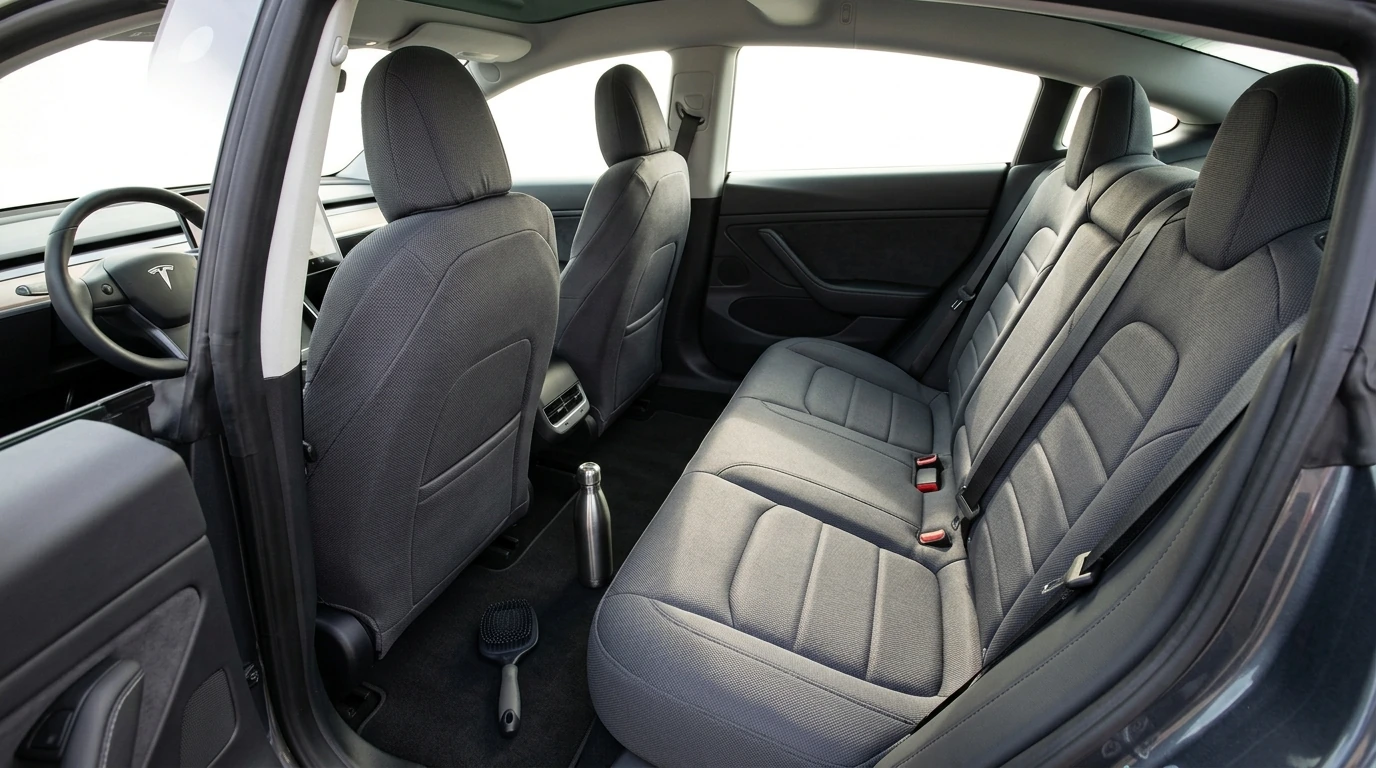
Everyday Protection for a Cleaner, More Comfortable Ride
A full set of seat covers can help keep factory upholstery looking new while making daily driving more comfortable. From spills and pet hair to sun exposure and scuffs, covering both rows creates a consistent look and simplifies cleaning—without permanently altering the interior.
What a full front-and-back set does well
Covering both rows is less about “showroom style” and more about reducing daily friction: messes, wear, and temperature discomfort that add up over time.
- Helps protect original upholstery from dirt, stains, sweat, food spills, and everyday wear
- Creates a uniform interior look across both rows instead of mismatched covers
- Reduces cleanup time by keeping messes on the cover surface rather than soaking into seats
- Supports resale value by preserving the condition of the underlying fabric or leather
- Improves comfort on hot or cold days depending on the cover material and breathability
Fit and compatibility checks before buying
Before ordering, confirm how your seats are built and what features you use daily. A set that “sort of fits” can bunch up, block access to buckles, or make rear-seat features annoying to use.
- Seat type: confirm whether the vehicle uses bucket seats, a bench seat, split rear bench (60/40), or removable headrests
- Headrest design: some covers require detachable headrests; others wrap around fixed headrests
- Rear seat features: check for fold-down armrests, pass-throughs, and LATCH anchor accessibility if child seats are used
- Airbag compatibility: front seats may include side airbags; choose covers designed to avoid obstructing airbag deployment zones
- Seat belt access: ensure belt buckles and shoulder belt paths remain clear and easy to reach
Quick compatibility checklist
| Vehicle feature | Why it matters | What to verify |
|---|---|---|
| Front side airbags | Covers must not block deployment | Labeling or design that accommodates side airbags |
| Split rear bench | Rear backrests may fold independently | Covers fit 60/40 or 40/20/40 layouts |
| LATCH anchors | Child seat installation needs access | Cutouts or clear paths to anchors |
| Armrest/pass-through | Daily usability and comfort | Rear cover allows armrest to function if present |
| Removable headrests | Many covers depend on headrest removal | Headrests can be taken off or cover supports fixed style |
For safety context, review NHTSA guidance on air bags and seat belts so nothing about your interior setup compromises intended restraint function.
Material choices and what they feel like day to day
Two sets may look similar online but feel very different after a week of commuting. Focus on comfort, cleanup, and how the surface behaves when temperatures swing.
- Breathable fabrics: typically more comfortable in warm weather and for longer drives
- Leather-like finishes: often easier to wipe clean, but can feel warmer in direct sun
- Textured or quilted designs: can add cushioning and visual structure to the cabin
- Water-resistant layers: helpful for kids, pets, and gym gear; confirm whether “water-resistant” vs. “waterproof” is needed
- Grip/backing and anchors: anti-slip backing, straps, and hooks help reduce shifting during entry and exit
Installation steps that prevent bunching and slipping
Most “doesn’t fit right” complaints come down to alignment and tension. A careful install usually looks cleaner and stays put longer.
- Vacuum seats first so the cover sits flat and doesn’t trap grit that can abrade upholstery
- Test-fit one seat at a time; align the cover at the top (headrest/shoulder area) before pulling it down
- Route straps and hooks away from moving seat tracks and recline mechanisms
- Smooth the center panel outward to remove wrinkles; tighten anchors incrementally instead of all at once
- After installation, slide the seat forward/back and adjust recline to confirm nothing binds or pulls loose
Care and cleaning for long-lasting use
Seat covers last longer when grime is removed early—before it gets ground into seams or transfers onto light-colored clothing.
- Shake out debris regularly and use a lint roller for pet hair before it mats into seams
- Spot-clean spills quickly to reduce staining; follow any material-specific care guidance
- Avoid harsh solvents and overly stiff brushes that can damage coatings or stitching
- Let covers fully dry before reinstalling to prevent odor and moisture trapping
- In sunny climates, consider using a windshield sunshade to reduce heat buildup and extend cover life
Who benefits most from a full set
Featured picks from our store
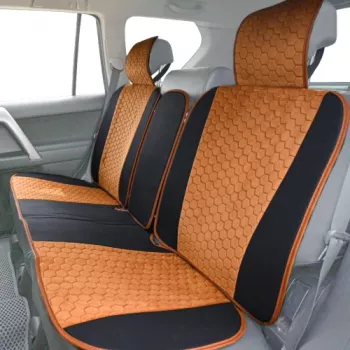
- Front & Back Seat Car Seat Covers Set — A coordinated set designed to cover both front and rear seating areas for consistent protection. Check the product page for what’s included and compatibility notes before ordering.
- Pet Shampoo Massager Brush — A handy add-on for pet owners who want less loose fur and dander transferring from a freshly washed coat to the car.
- Wireless Bluetooth Headband with HD Stereo Speakers — Useful for passengers on longer drives who want comfortable audio without bulky headphones.
FAQ
Will seat covers interfere with side airbags or seat belts?
They shouldn’t. Choose covers specifically designed for side-airbag compatibility and confirm the cover doesn’t sit over deployment seams or zones, and that buckles and shoulder belt paths remain clear and easy to use after installation.
Do rear seat covers work with child car seats and LATCH anchors?
They can, as long as LATCH anchors and seat belt routing stay fully accessible. Verify there are cutouts or clear paths, and make sure the cover doesn’t create slack that could affect a secure child-seat installation.
How do seat covers stay in place without sliding around?
Most sets rely on straps, hooks, anchor pads, and anti-slip backing. For best results, smooth wrinkles outward as you install, tighten evenly in steps, and keep anchors routed away from moving seat tracks and recline mechanisms.









Leave a comment